Wired To Serve: How Veterans and Electrical Distributors Succeed Together
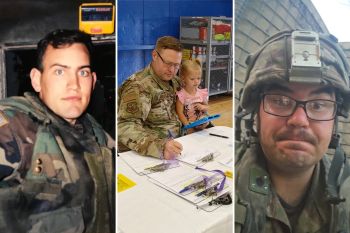
Much like an electrical system that is wired and programmed to work in a certain way, some people are wired towards serving others. That’s why it should not be surprising that veterans who have served our country also excel at creating lasting value for those we serve in the electrical industry.
What makes electrical distribution a good fit for veterans and vice versa? Here are five ways veterans and electrical distributors help each other succeed, from three veterans at Van Meter.
2. LEADERSHIP SKILLS BUILD BETTER TEAMS
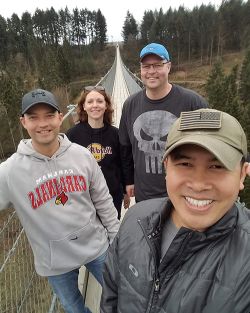 Leading military units and observing strong leaders teach leadership skills that are valuable in post-military careers. Andrew Jensen is the leader for Van Meter’s local and traveling construction coordinators. He served in the Army from 1996 to 2002 and the National Guard from 2002 to 2005. He currently serves in the Air National Guard.
For him, the best leaders assemble talented people and give them the freedom to do their job. Van Meter is 100% employee-owned, and veterans identify with committing to a shared cause.
“The leader’s role is to compile everyone’s ideas and bring continuity,” Jensen said. “When you have veterans working at a company, you start to feel their team mentality and ‘go out and get things done’ attitude. That’s a huge value in a 100% employee-owned company.”
Leadership skills learned in the service can even lead to career opportunities for veterans. Anthony Weir has served in the Army National Guard as a medic and water purification specialist since 2009. He was able to join Van Meter as a delivery team lead in 2024 because of his leadership experience in the Army Guard.
MEETING THE PRESIDENT
What would you do if the President of the United States arrived at your workplace?
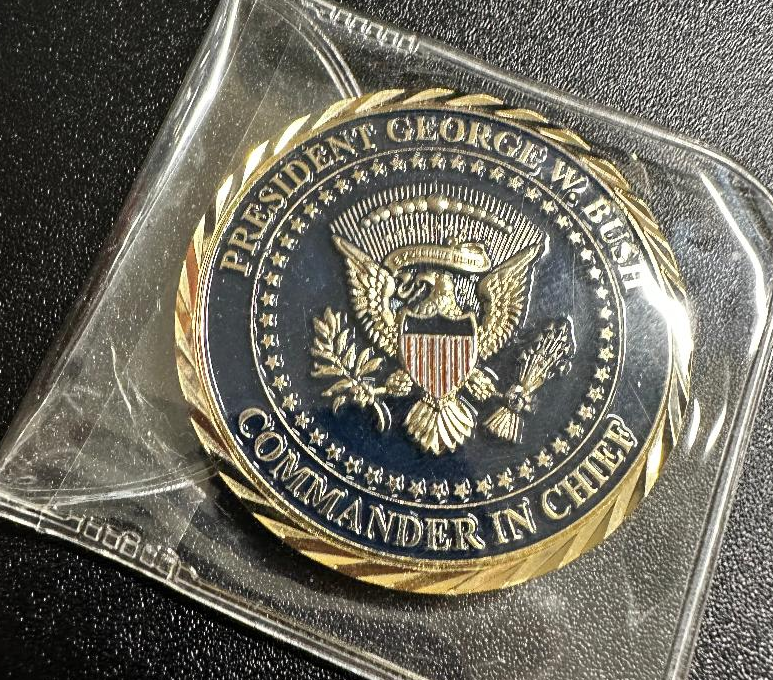
Jeff Timm got to experience that on Thanksgiving 2003. He was deployed to Iraq while serving in the Army reserves.
President George W. Bush visited his base to serve Thanksgiving dinner to the troops. Timm was on guard duty when he was approached by five men in black. He kept his watch, and when one of them said “Soldier,” he turned around and said “Sir” only to see President Bush standing in front of him.
The President thanked Timm for serving his country and being away from his family on Thanksgiving and gave him this Presidential coin. About the encounter, Timm said, “I didn't know what to say. That’s something you don’t get when you’re in the military. It’s a big deal to get one of those coins.”
5. TEAM-FIRST, SUPPORTIVE CULTURES HELP VETERANS THRIVE
Veterans thrive in environments with connection and mutual support. Like Weir said, “Trauma bonding is a real thing. I’m still friends with people I met in the first couple months of my 16-year military career. It’s like a family.”
Weir, Timm and Jensen all spoke about their connections with other veterans at Van Meter. Timm mentioned a transfer truck driver he connected with because, “We speak the language and have the same values.”
It’s a bond that brings people together and pushes them to improve.
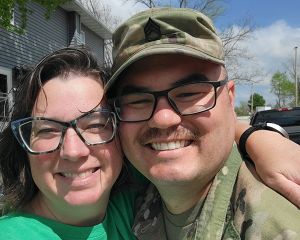 “Van Meter’s culture is inclusive and built on trust,” Jensen said. “There are other veterans on my team. We share a bond there, and we’re able to use our skillsets to move the whole team forward.”
The support isn’t just between veterans. Weir appreciates how the company sponsored him and his wife to attend a Salute to the Fallen gala just months after he joined Van Meter.
“I was new and nervous, but everyone was doing whatever they could to make me feel welcome,” he said. “The culture at Van Meter is exactly what [veterans] need to make it a good fit. The way they do things should be documented and sold.”